
Drains That Clear Completely Every Time
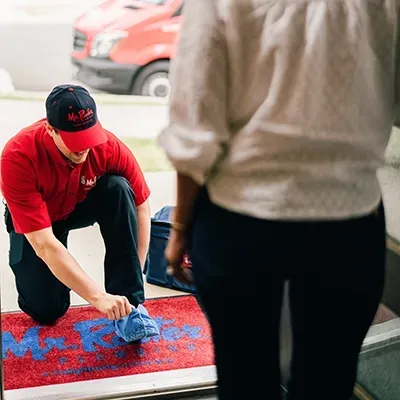
Sewer and Drain Cleaning in Muskegon for slow drains, recurring clogs, fixture backups, and blockages disrupting normal water use
Water pooling in a kitchen sink as you rinse dishes, a bathtub that takes ten minutes to drain after a shower, or a toilet that gurgles and threatens to overflow when flushed all indicate that something downstream is restricting flow through the drain system. These blockages develop gradually as soap residue, grease, hair, and mineral deposits accumulate on pipe walls, narrowing the opening until water can't pass freely. Mr. Rooter Plumbing - Muskegon provides sewer and drain cleaning for residential and commercial properties in Muskegon where slow drainage, recurring clogs, or fixture backups prevent normal use and create the risk of wastewater spilling into living or work spaces.
Drain cleaning involves identifying where the blockage sits—whether it's isolated to a single fixture trap, lodged in a horizontal branch line, or obstructing the main sewer line that serves the entire building. Mechanical augers cut through accumulated buildup and root intrusions, while high-pressure water jetting scours pipe interiors clean. Locating the obstruction determines which tool and approach will restore dependable flow without damaging pipe walls.
Request a drain service visit to clear the blockage and restore normal drainage throughout your property.
Why Drainage Problems Happen and How to Stop Them
Drainage failures occur when material builds up faster than water flow can carry it away. Kitchen sinks collect grease that solidifies as it cools, trapping food particles and creating a hardened mass that narrows the pipe opening. Bathroom drains accumulate hair mixed with soap scum, forming dense clogs that water cannot penetrate. In main sewer lines, tree roots infiltrate pipe joints searching for moisture, and once inside they expand into thick mats that catch passing debris and eventually block the entire line. Professional drain cleaning removes these obstructions by mechanically breaking them apart and flushing the debris downstream, reopening the full pipe diameter so water flows at its designed rate.
Once drain cleaning is complete, sinks empty in seconds instead of minutes, showers no longer leave standing water, and toilets flush without hesitation or backflow. You won't see water rising in other fixtures when one drain is used—a clear sign that the main line is open and venting properly. Foul odors caused by trapped organic material dissipate as air circulation returns to normal through the system.
Drain cleaning sometimes reveals underlying issues such as bellied sections where pipe has settled and traps debris, corroded cast iron that's rough inside and catches material easily, or root penetration points that will allow regrowth unless the pipe joint is sealed or replaced. Addressing these factors affects how soon blockages will return and whether additional work is needed for long-term drainage reliability.
Answers to Frequent Service Questions
Drainage problems show up differently depending on where the blockage is located and what caused it, and recognizing these patterns helps property owners respond effectively.
What's the difference between a clogged fixture and a blocked main sewer line?
A fixture clog affects only the sink, tub, or toilet directly above it, while a main line blockage causes multiple fixtures to drain slowly or back up, often starting with the lowest drains in the building.
How do tree roots get into sewer pipes in the first place?
Roots infiltrate through joints, cracks, and connection points in underground piping, drawn by the moisture and nutrients inside—older clay tile and cast iron systems are particularly vulnerable because their joints were not sealed with modern gaskets.
Why do some drains clog repeatedly even after cleaning?
If only the immediate obstruction is removed without clearing the full diameter of buildup, material reaccumulates quickly, and if the underlying cause—like a pipe belly, root intrusion point, or roughened interior—isn't addressed, new clogs form in the same location.
When should a drain line be inspected with a camera?
If clogs return frequently, multiple fixtures back up simultaneously, or you notice foul odors and slow drainage throughout the property, camera inspection reveals what's happening inside the pipe so repairs can target the actual problem.
What drainage issues are common in Muskegon homes?
Properties with mature trees near sewer lines often experience root intrusion, especially in older neighborhoods where clay tile piping was standard, and homes built on sandy soil can see settling that creates bellied sections where water and debris collect instead of flowing freely to the street connection.
Mr. Rooter Plumbing - Muskegon handles sewer and drain cleaning for properties throughout Muskegon, Norton Shores, North Muskegon, and surrounding communities where blockages prevent dependable drainage. Call (231) 903-6029 to schedule drain service and clear the obstruction.