Safe Gas Piping for Appliances and Systems
Gas Line Services in Muskegon for properties requiring professional evaluation, modification, or service of natural gas and propane piping
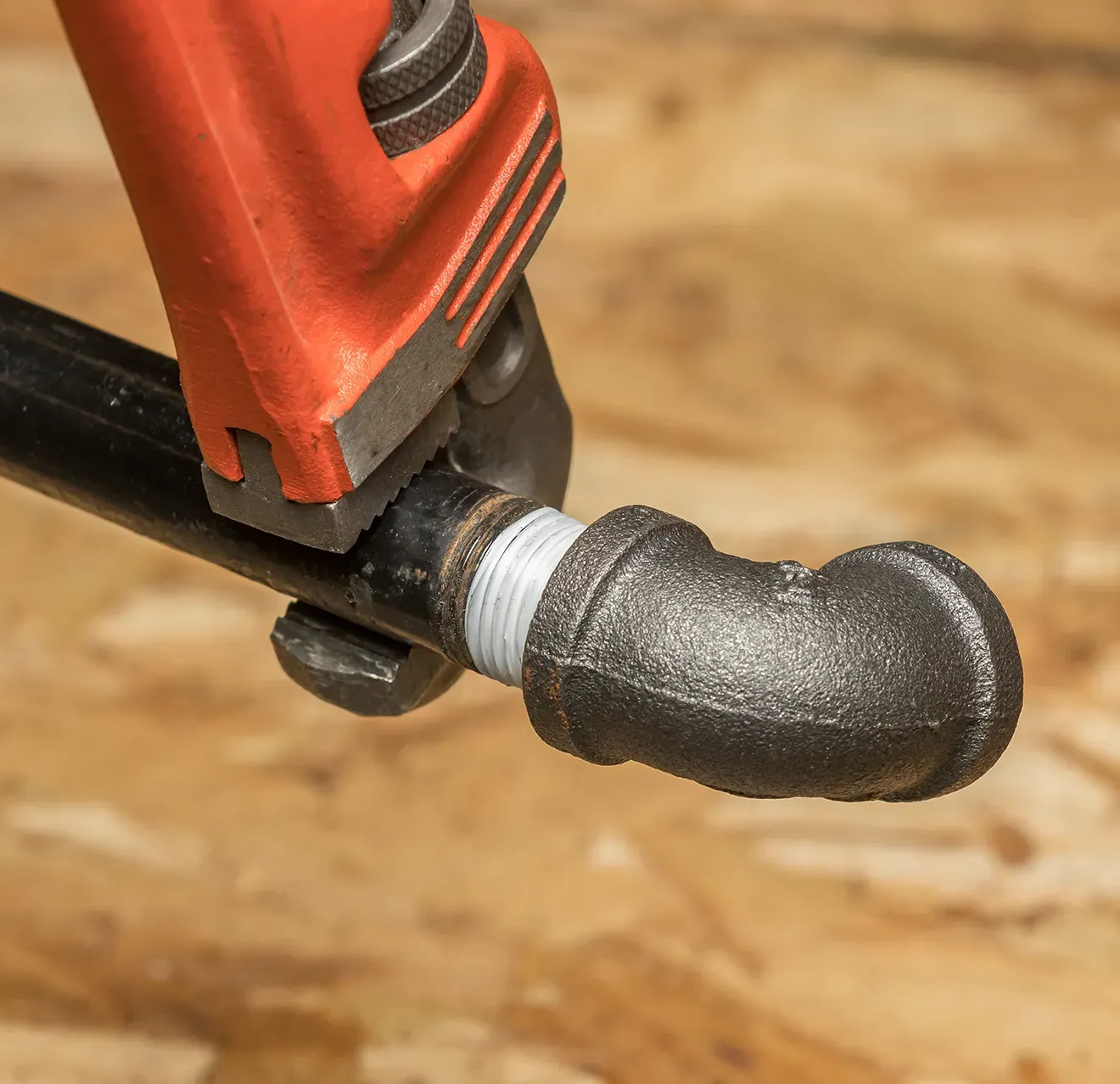
Natural gas and propane piping demands specialized attention because even minor errors in sizing, connections, or material selection create safety hazards. Gas line service involves working with rigid black iron pipe, flexible corrugated stainless steel tubing, and brass fittings that must be assembled, tested, and inspected according to strict standards. Mr. Rooter Plumbing - Muskegon provides gas line service for residential and commercial properties in Muskegon where gas-connected systems require professional work—whether that involves evaluating existing piping, modifying lines to accommodate a property improvement, or addressing a concern with gas delivery to an appliance.
Gas line work requires understanding combustion appliance requirements, pressure specifications, and how piping layout affects flow. Undersized piping restricts gas volume and causes appliances to operate inefficiently. Improper joint compound or loose fittings create leak paths that are invisible but detectable with the right testing equipment. The service process includes calculating pipe diameter based on appliance BTU loads, assembling connections with pipe dope rated for gas use, and performing pressure tests to verify that the system holds without any drop.
Contact us to discuss gas line service for your property and arrange a professional evaluation.
What Changes After Gas Line Work Completes
Proper gas line installation or modification results in appliances that ignite reliably, maintain consistent flame height, and operate at their designed efficiency. If a furnace or water heater was struggling due to inadequate gas supply, correcting the piping size restores full heating capacity. Gas ranges produce even heat across all burners without weak flames or delayed ignition, and dryers reach target temperatures within normal timeframes instead of running extended cycles.
You'll notice that appliances connected to the modified or newly serviced gas line no longer produce unusual odors, delayed ignition pops, or soot around burner assemblies—signs that combustion is now occurring at the correct fuel-to-air ratio. Pressure gauges installed during testing confirm that static and working pressures fall within the manufacturer's specified range for each appliance type.
Gas line service sometimes uncovers older piping that no longer meets current standards or connections that were assembled with incompatible materials. These findings affect whether modifications can tie into existing lines or require more extensive replacement to meet safety requirements and local code provisions.
What Property Owners Usually Ask
Gas line work involves technical requirements and safety considerations that differ from other plumbing services.
What determines the correct gas pipe size for an appliance?
Pipe diameter must be calculated based on the appliance's BTU input rating, the distance from the gas meter or tank, and the number of fittings and elbows in the run—longer distances and higher BTU loads require larger pipe to maintain adequate pressure.
How is natural gas piping different from propane piping?
While both use similar materials, propane systems operate at higher pressure and require regulators, specific fittings, and installation techniques suited to LP gas characteristics, which differ from the lower-pressure natural gas delivered by municipal utilities.
Why must gas line connections be tested even if they look tight?
Visual inspection cannot detect small leak paths at threaded joints or compression fittings—pressure testing with a manometer or gauge reveals even minor drops that indicate gas could escape during operation.
When should existing gas piping be evaluated before adding a new appliance?
Any time you plan to install a gas range, tankless water heater, or other equipment, existing piping should be assessed to confirm it has capacity to serve the additional load without causing pressure drops that affect other connected appliances.
What gas line considerations are specific to Muskegon properties?
Homes built before certain code updates may have undersized branch lines or connections that don't meet current standards, and properties using propane in rural areas outside natural gas service zones require tank placement and piping runs that account for Michigan's freeze-thaw cycles and soil movement.
Mr. Rooter Plumbing - Muskegon provides gas line service for homes and businesses throughout the Muskegon area where professional work is required for gas piping systems. Call (231) 903-6029 to schedule an evaluation and discuss your gas line service needs.